

Behind the Scenes with Brewbot

Last Tuesday the guys from Cargo successfully achieved their funding goal for Brewbot, their smartphone enabled craft beer brewing magic machine. It was an amazing achievement and all the more sweet having seen the level of work and commitment the lads put into the project, especially in the final days leading up to the launch. Anyone who thinks that launching and running a Kickstarter campaign is an easy route to some quick money is so, so far wrong.
Chris, Jonny, Niall, Ali, Aaron and Kieran had spent the best part of a year working on the Brewbot prototype and getting it ready to be unveiled. Their Kickstarter campaign was due to be launched at XOXO festival in Portland, Oregon. I was out photographing the festival and ended up staying with the Brewbot lads during the build-up and launch of their campaign.
Even with a finished prototype there was still a huge amount of work to do and problems to overcome before launch day, not least of all shipping Brewbot from Belfast over to Portland.


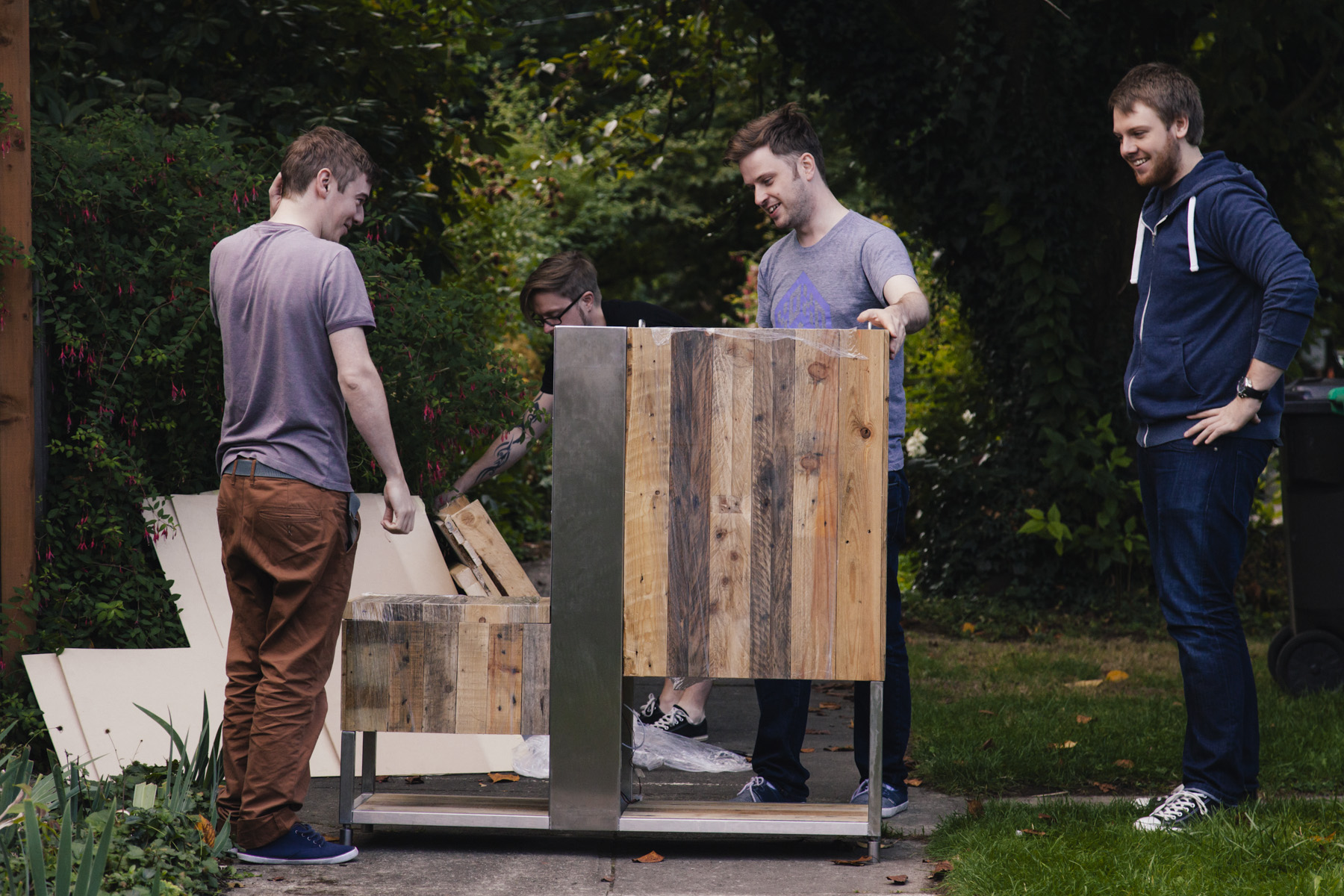
Despite being held up at customs Brewbot made it over safely in one piece, but with only a couple of days to go before XOXO kicked off. The delay meant there was less time to prepare Brewbot for the launch, something not helped by a corroded mainboard in Jonny’s laptop.

There were also problems with the Kickstarter video - Chris’s opening and closing comments needed to be reshot and Kickstarter themselves were looking for extra detail and footage of Brewbot in action. This meant several long nights getting Brewbot plumbed into the water supply at the YU where XOXO was being held, and working with the US power system to be able to give a full demo of the platform’s functionality. That the video was being edited together back in Belfast meaning a 9 hour time difference didn’t help either.


Still, the team managed to find time for a very successful soft launch at Bailey’s Taproom as well as a mildly terrifying ride in the back of a U-Haul to get us all there.


The campaign officially launched on Saturday 21st September. There was a massive amount of support and goodwill from everyone at XOXO and Brewbot began to get featured in loads of huge websites and publications.

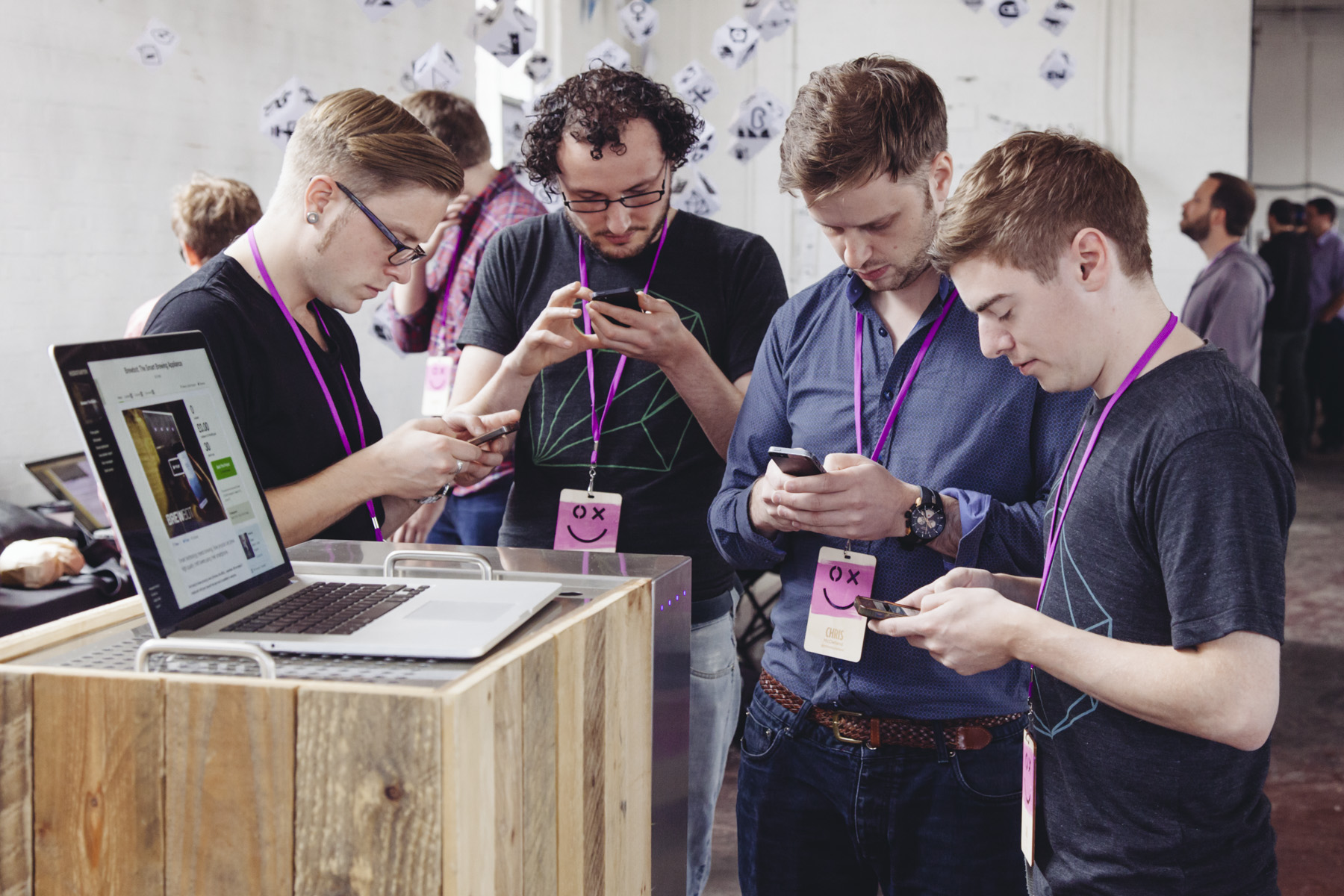


Even with the successful launch and support the guys still had to stay on top of the emails, tweets and promotion of the campaign to keep the funds coming in. The shutdown in the US brought about problems too, with early backers pulling out when they realised they might not have the funds to cover their pledges.
It looked like it was going to come down to the wire but with 4 days to go Brewbot hit their goal. It’s a massive achievement but incredibly well deserved. A big thanks to all the lads for letting me crash with them in Portland and for allowing me to photograph the build up to the launch. Congratulations again and cheers!


Portland / Brooklyn


Whilst over documenting XOXO I was lucky enough to get up into Portland's truly beautiful Forest Park and catch up with an old friend in Brooklyn on the way home.
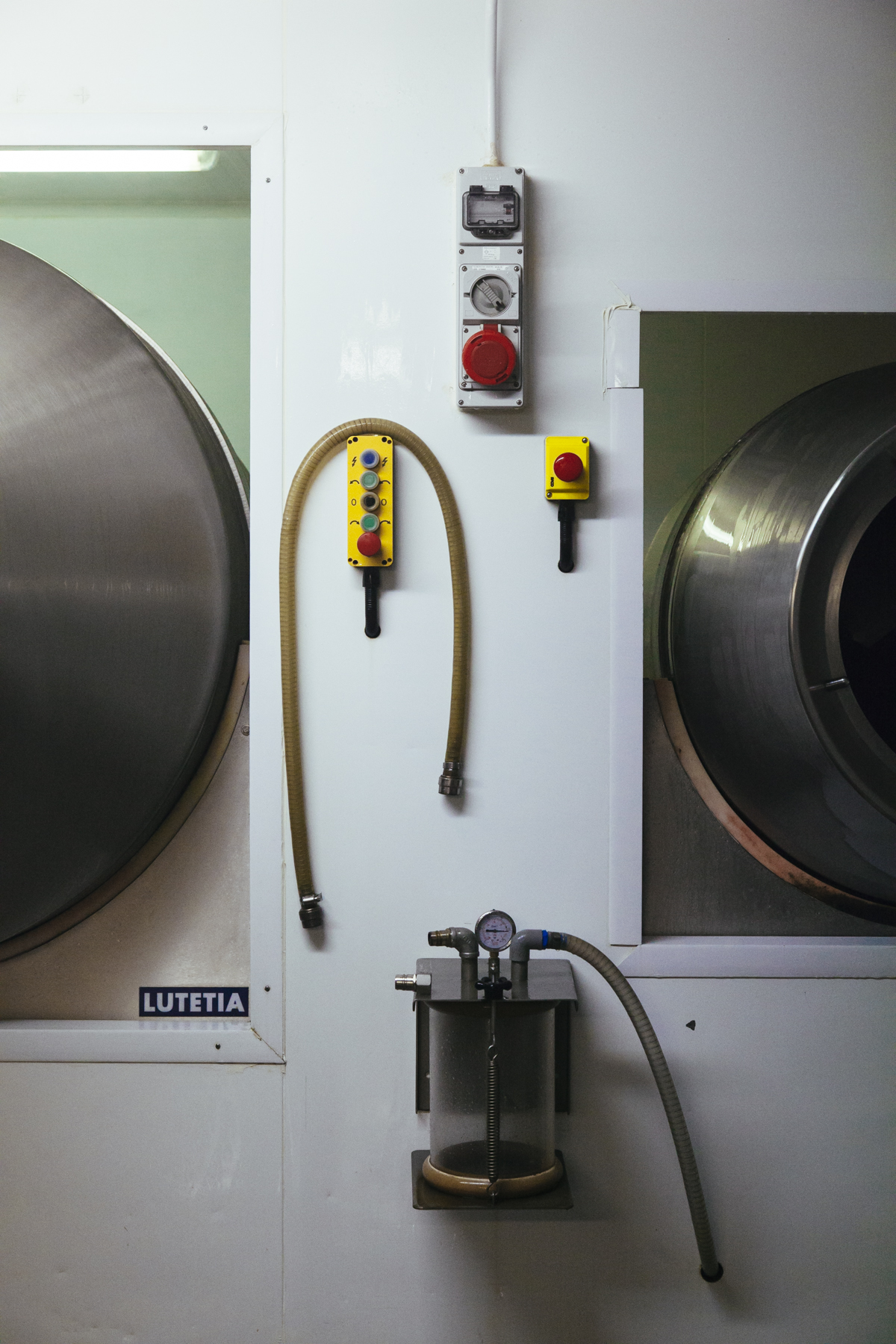
Rannoch Smokery
My love for Loch Rannoch and the surrounding area is well known. Anyone who made it down to my Refresh talk earlier this year will have had to endure both a lengthy tribute to childhood holidays there and a long rambling story on calculating the mass of the earth and the accidental discovery of contour lines on nearby mountain Schiehallion.
Despite regular holidays there for over 20 years I've never managed to set foot in Rannoch Smokery, which sits just outside Kinloch Rannoch village at the foot of the loch. The company was started in the 1980's when founder, Leo Barclay, was prevented from getting his deer cull to market by a particularly bad winter. Using a bath tub to brine the meat and then slow smoking it in his home made smoker, Leo created the first Rannoch Smoked Venison.
The bathtub might be gone but the smokery is still very much in action. Knowing I had a week's stay in the area in August I gave them a ring to see if they'd be happy for me to come in and take some photographs for the ongoing workspace project. Maggie and the rest of the staff were brilliant in showing me round and answering questions about the smoking process - hopefully the photos below do some justice to their hard work and dedication.